
Important Information Regarding Patient Correspondence
We appreciate that many patients find it helpful to write letters or notes to their GP to explain their symptoms or concerns in detail. To ensure we provide the best possible care, please be aware of our practice policy regarding incoming correspondence:
1. Inclusion in Your Medical Record
Any letter, email, or written note addressed to a GP or the practice will be scanned and saved directly to your permanent NHS medical record. This ensures a full history of your communication is available to any clinician involved in your care.
2. Reviewing Your Correspondence
Please be aware that your GP may or may not have the opportunity to read your letter prior to your scheduled appointment.
Our clinicians handle a high volume of clinical data daily. While we strive to review all information, your letter will often be reviewed during your consultation to ensure the details are discussed with you directly.
3. Important Safety Notes
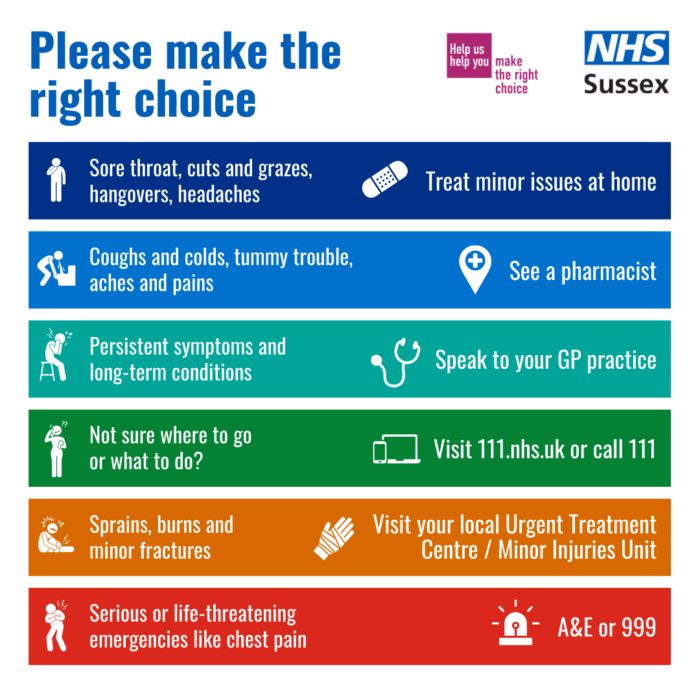
Urgent Issues: Please do not use letters to communicate urgent medical concerns. If you require immediate medical attention, contact the surgery by phone, call 111, or in an emergency, dial 999.
Length: To help your GP provide the most effective care, please try to keep written communications concise and focused on the main reason for your visit.
Third Parties: If your letter contains sensitive information about other people, please be aware that this will still become part of your legal medical record.
How to make the most of your appointment:
If you have written a letter, please mention this at the start of your consultation so the GP can locate it on your file and discuss it with you.
Latest news and information